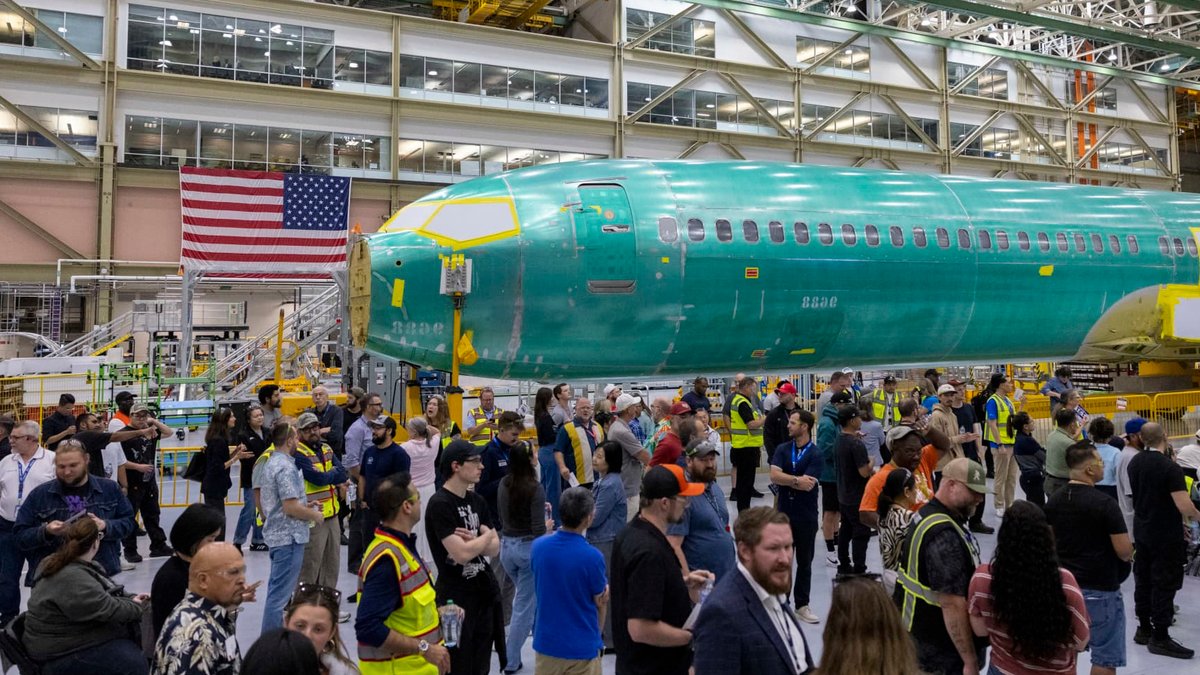
United Airlines is confronting a practical problem as the Boeing 737 MAX 10 finally nears certification: it has dozens of lie‑flat seats that do not fit any of its current cabins.
Certification delays leave premium seats in storage
In August 2018, the airline’s chief executive announced plans to equip the new Max 10 with lie‑flat, premium seats for high‑yield transcontinental routes. The aircraft was slated to enter service in 2020, but a redesign of an anti‑icing system pushed certification back more than six years.
Recent filings show the carrier ordered 167 of the model, expecting deliveries beginning summer 2027. The filing notes the airline still has a “bunch of lie‑flat seats that we don’t know what to do with,” a quote from the CEO during a CNBC interview at Newark Liberty International Airport.
Those seats were built for a cabin layout that never materialized. Because they are too long for the airline’s existing narrow‑body fleet, they cannot be retrofitted to the Airbus A321neo or other planes in service.
The Max 10 is the largest member of the bestselling 737 family, and the FAA is expected to grant approval soon after clearing the Max 7 earlier this month. Until then, the seats sit in a warehouse, unused and costly.
Exploring new cabin configurations
United has already begun fitting a subfleet of A321neo aircraft with a premium “Coastliner” configuration that includes 20 Polaris suites and a new premium economy section. Those planes target coast‑to‑coast routes, but the Max 10’s cabin dimensions differ, meaning the airline must redesign the interior.
Related: Cramer outlines five themes and top stock picks
One option under review is a mixed‑class layout that pairs a reduced number of lie‑flat seats with a larger premium economy cabin. This could preserve the high‑margin product while fitting the aircraft’s narrower fuselage.
Another possibility is to keep the lie‑flat seats but reduce overall seat count, focusing on ultra‑premium service for a limited number of passengers. That would increase per‑seat revenue but might limit the airline’s ability to fill the plane on longer routes.
Analysts note that the airline’s decision will affect its competitive stance against rivals that are also expanding high‑yield cabins. The carrier’s recent investment in the Coastliner subfleet suggests a willingness to experiment with new seating concepts.
While the airline has not disclosed a final layout, it has filed a supplemental request with the FAA to certify a revised cabin plan for the Max 10. The request is expected to be reviewed later this year.
In the meantime, the airline continues to operate its existing fleet on transcontinental routes, relying on the A321neo for premium service. The Max 10’s arrival could shift capacity and route planning if the interior is finalized before the first delivery.
Industry observers caution that the airline must balance the cost of re‑engineering the seats against the revenue potential of a premium product. The aircraft’s larger size could support longer flights, but the market for lie‑flat seats on domestic routes remains limited.
Related: Hims & Hers CEO claims FTC suit misreads
Given the timing, United may choose to delay the Max 10’s entry into service until a suitable interior is ready, rather than launch with a compromised cabin. That would align the rollout with the airline’s broader strategy of high‑yield seating.
It’s a bit of a weird limbo, the seats just sit there while the airline juggles plans.
Looking ahead, the carrier could repurpose the lie‑flat seats for a future long‑haul narrow‑body variant, should Boeing develop such a model. Alternatively, it might sell the seats to another airline that can accommodate them, though the market for this specific configuration is narrow.
In any case, the decision will likely be made after the FAA’s final approval, which is expected in the next few months. Once the certification is secured, United will have a clearer timeline for integrating the Max 10 into its network.
For now, the airline’s focus remains on delivering the Coastliner cabins and preparing for the Max 10’s summer 2027 delivery window.


