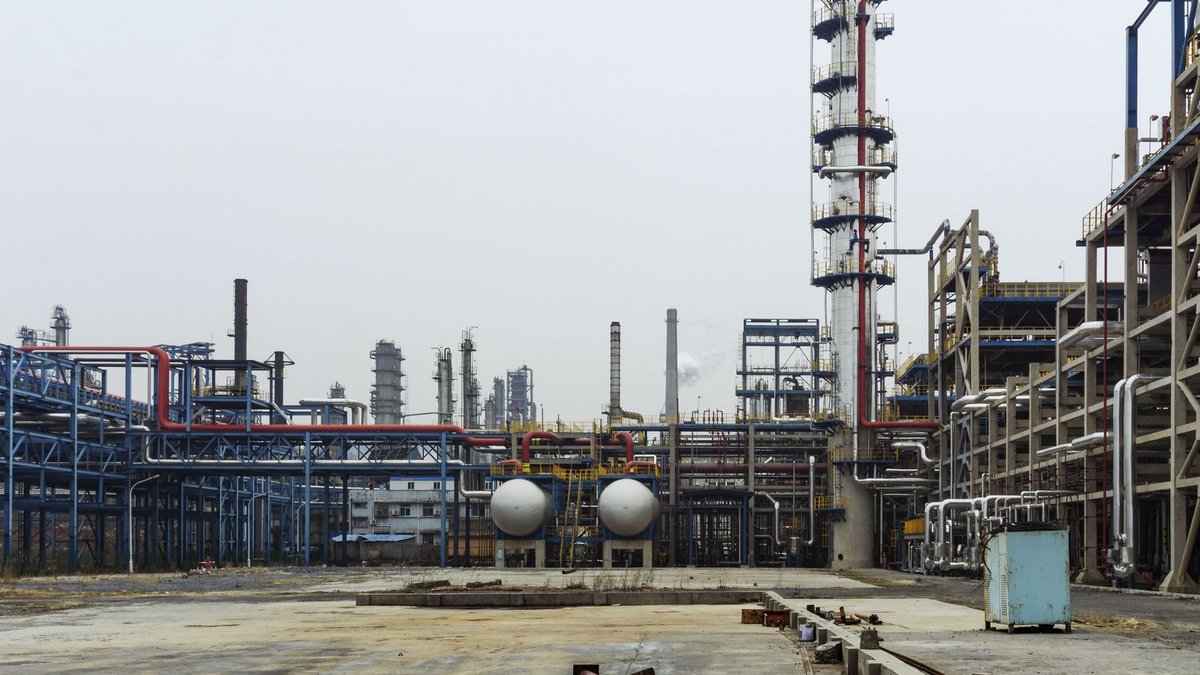
Dangote Group CEO Aliko Dangote and Kenyan President William Ruto have officially started construction on a planned $16 billion oil refinery in Kenya. Located in Lamu County, the facility is projected to process up to 700,000 barrels of crude oil per day.
The project, formally known as the Dangote East Africa Petroleum and Petrochemicals Special Economic Zone, is expected to drive investments in energy, manufacturing, transport, logistics, and related industries. A wider petrochemical complex at the site is also planned.
Job Creation and Economic Impact
Dangote committed to completing the refinery within 40 months, while planners estimate the project could generate up to 60,000 jobs in Lamu and adjacent counties.
Ahead of the launch, some local residents took to the streets to demand more compensation for land used for the refinery. A local court decision has blocked some development activities at the site until a case against the refinery is heard on October 14th. The legal complaint on behalf of 133 residents alleged that the project would involve “forceful eviction of the plaintiffs from their lands, damage and destruction of their properties”, according to their petition.
Regional Significance
The planned facility in Kenya is anticipated to cater to both domestic needs and the broader East African market. Meanwhile, Uganda is positioning itself as a significant crude oil supplier, leveraging its extensive reserves in the Lake Albert region.
Ugandan President Yoweri Museveni, Ethiopian Prime Minister Abiy Ahmed, and officials from Togo and Benin attended the new event to witness the project’s initiation.
Read Also: Nigerians give Tinubu mixed ratings in Lagos survey
President Ruto stated the initiative would enhance capabilities in production, processing, financial management, and trade to generate greater value, adding it would help end an export model under which “crude oil leaves; refined products return.”
Dangote emphasized that Africa‘s development is hindered by exporting raw materials while importing finished goods, noting the project would strengthen the Lamu Port-South Sudan-Ethiopia Transport (LAPSSET) Corridor, which links the coast with Kenya’s interior and neighboring nations.
Comparison to Nigerian Refinery
Dangote noted that Lekki [the Nigerian refinery] demonstrated feasibility, and Lamu must replicate this success. The Nigerian project faced delays but has since become vital to the country’s energy system by enabling domestic crude oil refinement, its most valuable export.
The Nigeria refinery currently has the capacity to process 1.4 million barrels of crude per day after expansion enabled by the IPO. This expansion intends to double the original capacity. Dubbed the “people’s IPO” by CEO David Bird, the company made it clear it wants as many as 10m retail subscribers from Nigeria and across Africa, with a minimum purchase limit of five shares costing 5,250 naira ($3.94).
The Nigerian refinery has become a vital component of Nigeria’s energy sector since its opening in 2024, and its success has paved the way for the development of the Kenyan refinery. The Kenyan refinery is expected to have a similar impact on the regional energy sector, driving economic growth and development in Eastern Africa. With the refinery’s planned completion in 40 months, it is expected to play a critical role in shaping the region’s energy future.


