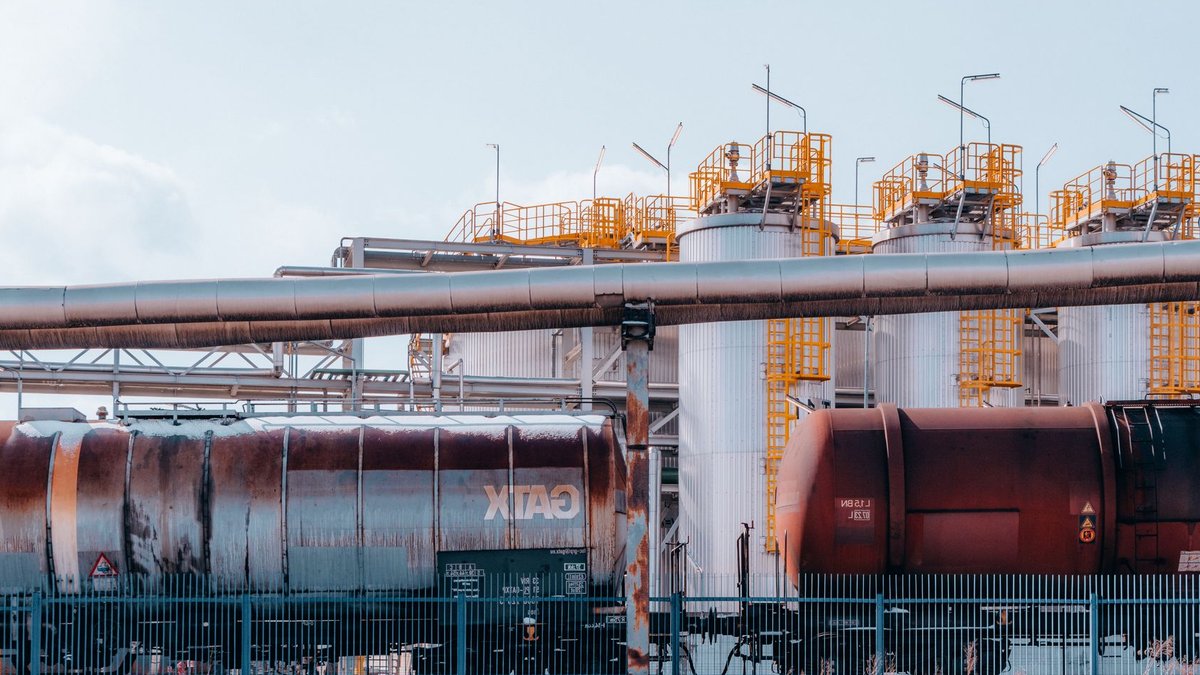
Nigerian industrialist Aliko Dangote has launched a $2.5 billion fuel storage and pipeline project in Namibia, aiming to reshape energy logistics in southern Africa. The facility, located near Walvis Bay, will store 600 million litres of petroleum products, eight times Namibia’s current capacity.
The project includes a 1,700-kilometre pipeline network, designed to supply fuel to landlocked countries like Botswana, Zambia, Zimbabwe, Malawi, and the Democratic Republic of Congo. Dangote positions this as both a commercial venture and a public good, promising cheaper fuel and reduced reliance on volatile shipping routes.
A Strategic Hub for Southern Africa
The tank farm, capable of holding 360 million litres of diesel and 240 million litres of petrol, is expected to take 18–20 months to construct. It will connect to the Walvis Bay fuel jetty, enhancing the port’s role as a regional energy gateway.
Namibian President Netumbo Nandi-Ndaitwah hailed the project as a “historic milestone” for African industrialisation, placing it under presidential oversight to expedite approvals. The initiative is also expected to create jobs and facilitate skills transfer during construction.
Economic and Political Implications
The pipeline could significantly reduce fuel costs for landlocked nations, which currently face high transportation expenses from distant ports. Dangote stated, “We want to invest heavily so that landlocked countries can access petroleum products at cheaper prices.”
This project aligns with Dangote’s broader vision of interconnected production and distribution hubs across Africa, with a $60 billion investment target by 2030. It also strengthens ties between Nigeria and southern African nations, adding a private-sector dimension to diplomatic relations.
However, the project faces political, environmental, and financial challenges across multiple jurisdictions. The final route and cost remain subject to engineering studies and regulatory approvals.
For Namibia, the project offers immediate logistical and fiscal benefits, moderating fuel price spikes and supply interruptions. Yet, the broader regional impact depends on the pipeline reaching its full scope, which could face resistance from existing logistics industries in neighboring countries.
Regional Impact and Challenges
The pipeline has the potential to significantly alter southern Africa’s energy sector. By providing a direct route from the Atlantic coast, it could reduce the region’s reliance on distant ports, lowering fuel costs and improving supply reliability.
Their fuel currently travels long distances by road or rail, incurring high costs and facing delays. The pipeline promises to cut these expenses, benefiting industries such as mining and agriculture.
However, success is not guaranteed. The project requires handling complex political and regulatory environments across multiple countries. Each nation must weigh the benefits of cheaper fuel against potential impacts on existing logistics industries and new dependencies.
South Africa, in particular, may view the pipeline with caution. Its refiners and transporters could face competition from the new Atlantic corridor, potentially affecting their market share.
Energy Security and Trade Benefits
Energy-intensive industries, such as mining in the Copperbelt and Botswana’s diamond sector, are expected to benefit from improved energy reliability. Consumers in countries where fuel subsidies strain public finances may also see relief. Regional trade within the Southern African Development Community could strengthen as energy constraints ease. Southern Africa’s dependence on Middle East and Asian imports has been highlighted by recent disruptions, and an Atlantic supply route supported by African refining capacity offers a diversification opportunity.
Namibia’s Role and Local Impact
For Namibia, the project offers immediate advantages. The tank farm will enhance energy security, reducing vulnerability to price spikes and supply disruptions. It also positions Walvis Bay as a key energy hub, potentially attracting further investment in logistics and related industries.
However, the extent of these benefits depends on the pipeline’s success and its ability to deliver on promises of skills transfer and local capacity building.
Environmental and community concerns are also factors. The tank farm’s coastal location requires careful management to address potential ecological impacts and ensure community acceptance.


