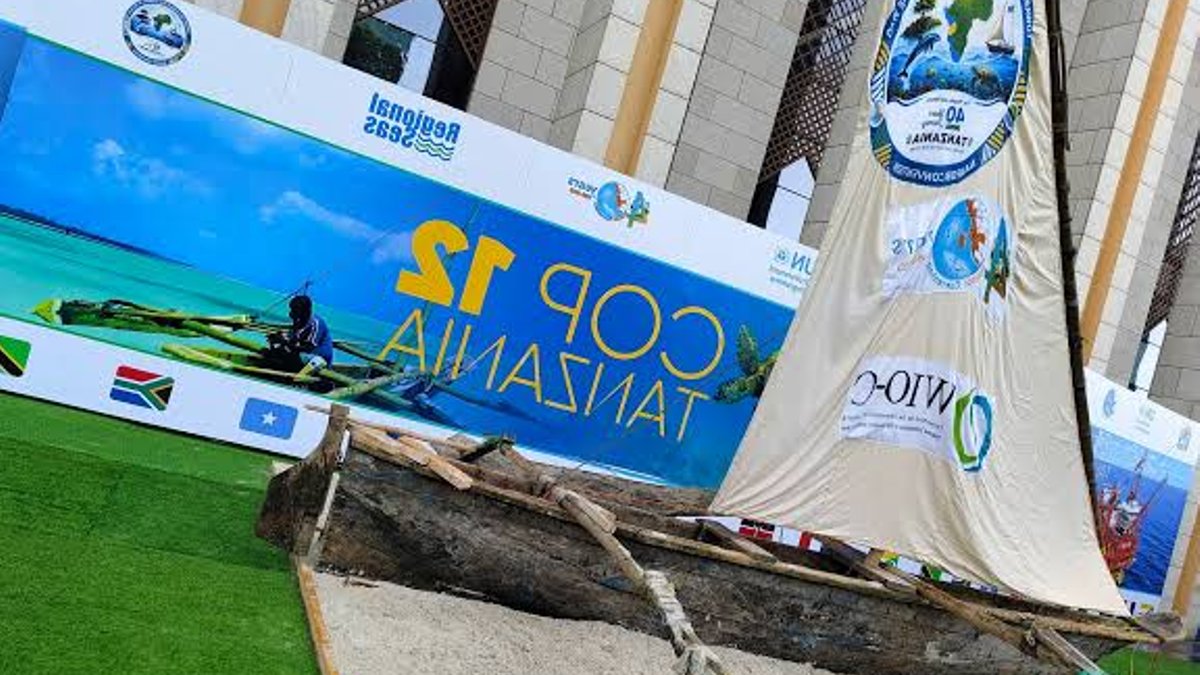
The 12th Conference of the Parties to the Nairobi Convention (COP12) in Tanzania finalized 15 resolutions dedicated to safeguarding the Western Indian Ocean (WIO) region, with priorities on marine biodiversity, plastic waste reduction, and climate adaptation. Taking place at Dar es Salaam’s Julius Nyerere International Convention Centre, the event commemorated the Nairobi Convention’s 40th anniversary while laying the groundwork for coordinated regional action.
Major Policy Outcomes: Plastic Reduction and Disaster Preparedness
Attendees endorsed a Regional Strategy on Plastics and Associated Chemicals to reduce pollution from both land and sea sources, alongside an Emergency Response Contingency Plan for cross-border oil spills and hazardous chemical leaks. This legally binding agreement requires all participating nations to develop unified disaster response protocols.
Additional measures tightened regulations on industrial discharges and agricultural wastewater through the Land-Based Pollution Control protocol, with a focus on protecting the most vulnerable coastal ecosystems. The Ecosystem Restoration and Biodiversity Protection initiative specifically targeted mangrove forests, seagrass beds, and coral reefs, framing their conservation as essential to long-term climate stability.
A key development was the adoption of Zanzibar’s temporary fishing restrictions as a regional standard under the Fisheries and Conservation Synchrony framework. This approach seeks to replenish overfished stocks by restricting access during critical recovery periods. Meanwhile, the Community-Led Rewards protocol endorses community-based financing models that reroute coastal tourism revenue directly to local populations actively managing conservation areas.
Funding Mechanisms and Transboundary Governance
COP12 launched the Regional Conservation Trust Fund, a dedicated financing instrument designed to provide consistent, long-term support for transboundary environmental initiatives. This addresses a persistent funding gap in regional conservation efforts by offering reliable resources.
The conference also advanced Marine Spatial Planning (MSP), reaching agreement on standardized national frameworks for ocean zoning. These plans will coordinate industrial shipping routes and commercial fishing operations with strictly protected ecological zones—a first for the WIO region. Delegates formally recognized the WIO as a “one connected system”, extending the convention’s authority to manage ecosystems that extend across national boundaries.
Tanzania’s Minister of State in the Vice-President’s Office (Union and Environment), Engineer Hamad Masauni, stressed that all decisions must be evidence-based and translated into policies that engage coastal communities, women, and young people. He cautioned that unsustainable ocean exploitation endangers both marine habitats and local livelihoods.
Mauritius will assume the presidency for COP13 in 2028, with a focus on accelerating climate action commitments. The selection reflects broader demands for predictable and accessible climate funding to address the region’s escalating environmental pressures.


