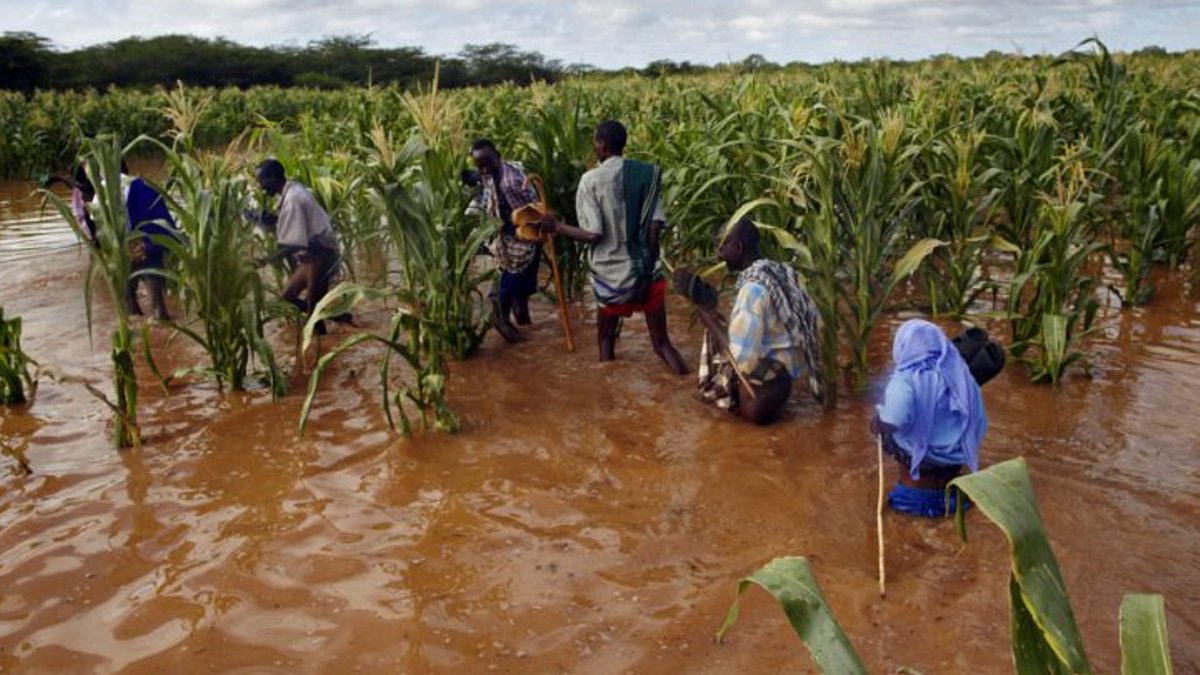
El Niño is set to dominate weather patterns across East Africa, prompting urgent concerns about whether growers can obtain the resources needed before climate risk turns into a financial loss.
Forecasts signal extended wet season
The World Meteorological Organization reported in September 2026 that the phenomenon is firmly established and likely to continue through February 2027. This assessment aligns with the IGAD Climate Prediction and Applications Centre, which expects a higher chance of above-average rainfall in the Greater Horn of Africa during the October-December window.
Additional rain can refill reservoirs and boost yields, yet excessive moisture threatens crops, storage facilities and transport routes. Seasonal outlooks convey probabilities, not guarantees, making local advisories essential for accurate field-level decisions.
Financing gaps extend beyond inputs
Typical credit lines cover seeds and fertilizer, enabling a planting cycle to begin. However, those funds do not address drainage, drying, roof repairs or logistics that become vital when heavy rain arrives.
Lenders that evaluate only production costs may overlook expenses that protect income. Repayment schedules must reflect that weather can delay harvests or disrupt collection, even when the farm remains viable.
Clear protocols for handling disruptions can aid recovery, while additional borrowing should match a realistic repayment capacity.
In practice, a farmer who can repair a shared store or secure a timely buyer may preserve more earnings than one who expands acreage without addressing post-harvest needs.
Insurance and market data are essential
Climate insurance should be discussed alongside credit. Its value depends on matching coverage to the specific exposure a farmer faces, such as flood damage.
Before purchasing, growers need to know which perils are covered, how payouts are calculated, and any exclusions that apply. Understanding these terms is important when insurance is tied to a loan.
Even a successful harvest can yield low returns if produce cannot be dried, stored safely, or collected promptly. Household expenses and loan repayments may then force acceptance of unfavorable prices.
Market volatility adds another layer of risk. Local supply-demand interactions, global commodity prices and exchange-rate shifts can all affect net income.
A weaker local currency raises the cost of imported fertilizer, fuel and equipment, while any gains from export earnings may not fully reach producers.
Technology and coordination can bridge gaps
Agri-tech platforms can link forecasts to actionable advice, helping growers interpret weather data for their specific crops and locations.
These services must connect agronomic guidance with lenders, insurers and buyers, ensuring that each party understands the farmer’s needs and constraints.
Cooperatives can evaluate shared storage and drying capacity, while buyers can confirm collection plans and provide alternatives if access is blocked.
Financial providers might explore affordable options for these services, weighing costs against the value of preserving harvest quality.
Integrating bank-grade financial tools, agronomy and logistics into the value chain can turn a forecast into an economically useful signal for those who can act on it.
When a farmer receives a rain warning on a phone, the ability to arrange repairs, understand insurance and confirm collection before the storm hits determines whether the forecast translates into financial protection.


