Small businesses in the UK processed £165.9 billion in contactless payments in 2021—more than double the amount recorded in 2019. The shift away from cash has transformed basic card readers into connected systems linking sales, inventory, and even short-term financing options.
Owners considering upgrades face many choices. Payment processors now include features beyond transactions, such as real-time bank transfers and tools that connect with accounting software. The best setup depends on how and where a business operates.
Businesses can rent a card reader, though costs and fee structures vary by provider. Some companies reduce rates for higher volumes, while others include extras like invoicing or inventory tracking.
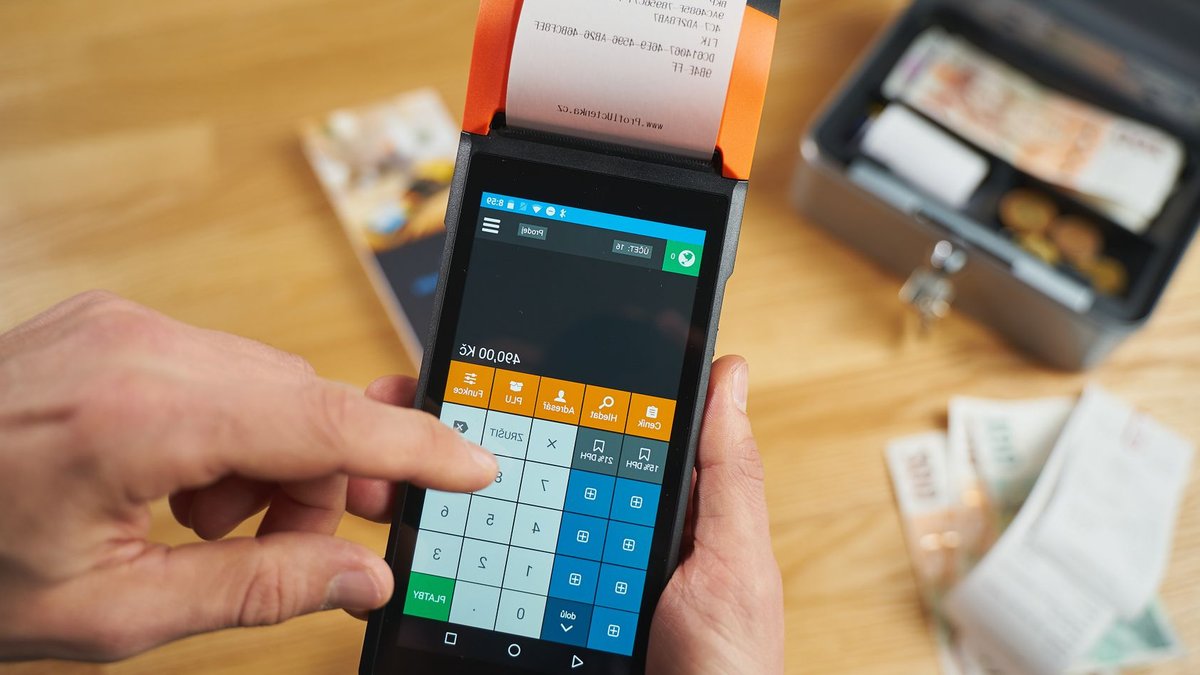
Handheld devices suit mobile operations like food trucks and outdoor markets. These readers run on 4G or Wi-Fi and accept payments anywhere, though they may carry higher fees or need a separate data plan. For fixed locations, countertop terminals remain standard, supporting contactless, chip-and-PIN, and QR code payments.
Modern systems also allow borrowing money against future sales, with repayments automatically deducted from daily card takings. Terms vary, but this option helps retailers with uneven cash flow.
Some processors handle multi-currency transactions, letting UK businesses accept US dollars or euros without steep conversion charges. Others focus on ecommerce, providing plugins for Shopify or WooCommerce that manage checkout and fraud detection.
Related: Fiji fears Nations Championship shortfall
The cheapest option isn’t always best. A free card reader might save money initially, but higher transaction fees could reduce profits over time. Businesses with low sales volumes may prefer pay-as-you-go, while those processing thousands of pounds monthly could benefit from negotiated rates.
Restaurants and cafés often use electronic point-of-sale (EPoS) systems. These integrate with kitchen displays, table management software, and loyalty programs. Some track staff performance or generate sales reports, turning a basic till into a central business hub.
Online sellers face different challenges. Payment gateways like PayPal or Stripe are easy to use but charge higher fees for international transactions. Some providers offer more control over currency conversion and fraud prevention, though they require more technical setup.
A street food vendor needs a portable, battery-powered reader with a long warranty. A boutique might prefer a sleek countertop terminal matching its branding. Testing a few options before committing is wise, as many providers offer free trials or demo units.
Contactless payments will keep growing, making systems more integrated. For now, the priority is balancing cost, convenience, and business needs.


