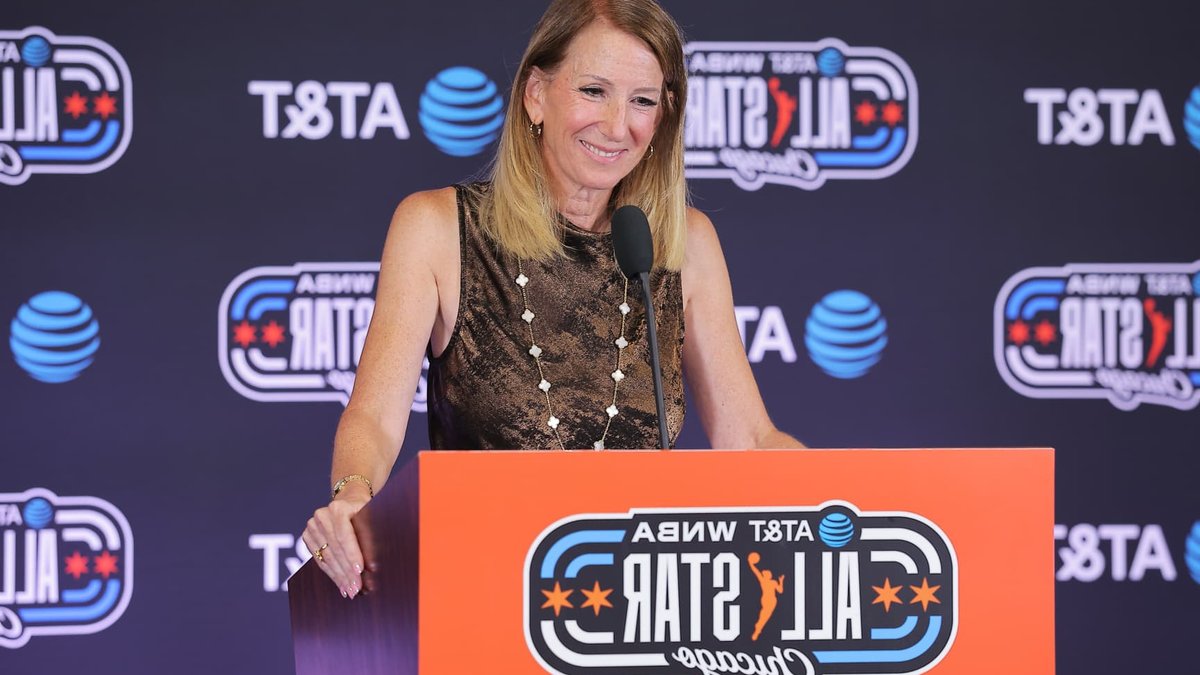
Cathy Engelbert, the WNBA commissioner, will step down at the close of the 2026 season, the league confirmed on Friday. Her exit follows a period defined by unprecedented expansion and financial success, alongside mounting criticism from players over leadership decisions, pay equity, and responses to controversies. In a press conference before the AT&T WNBA All-Star Game on July 25, 2026, Engelbert reflected on her tenure, stating, “In 2019, I had the privilege of being appointed the league’s first commissioner and to lead a league with enormous potential yet untapped awareness and significant undervaluation.” The transformation under her leadership has been marked by a cultural surge in women’s sports, with players now serving as global ambassadors for the league.
The league’s growth under Engelbert has been transformative. Team valuations have skyrocketed, attendance is up by 70% since 2019, and viewership has increased by 454% over the same span. According to CNBC’s 2026 team valuations, the average WNBA franchise now holds a value of $460 million, while the Golden State Valkyries, the newest addition, are valued at $1 billion, marking the first time a women’s sports team has surpassed that threshold. This financial boom extends beyond gate receipts, with corporate sponsorships and media rights deals expanding significantly, further solidifying the WNBA’s commercial appeal. Engelbert oversaw the league’s expansion from 12 to 18 teams by 2030.
Read Also: Post-Penny Economy Shifts Prices via Rounding, Fees
Her tenure also included a historic collective bargaining agreement earlier this year, securing the largest pay raises in league history. Nneka Ogwumike, president of the WNBA Players Association, described the deal as a major win for player compensation, emphasizing that salary had been a longstanding priority. In an interview with CNBC Sport, Ogwumike noted, “Being able to have your worth tied mostly in your salary is all that we’ve been fighting for, and it’s what we were able to achieve.” While the pay increases were landmark, some players argued that broader structural protections—such as healthcare, mental health support, and workplace safety—had not kept pace with the league’s financial windfall.
Player Criticism Over Leadership Failures
However, Engelbert’s leadership faced intense scrutiny. Napheesa Collier, a star for the Minnesota Lynx, publicly condemned the league’s handling of officiating disputes, racial incidents, and online harassment. Last year, Collier said about Engelbert, “But, right now, we have the worst leadership in the world.” Most recently, concerns have grown that Engelbert failed to respond appropriately to political protests over transgender women playing sports, which began to overshadow the league’s season in recent weeks.
There are no known trans players in the WNBA. Beyond officiating, players cited a lack of transparency in disciplinary actions and inconsistent enforcement of league policies as persistent frustrations. The WNBA’s rapid growth had outpaced its governance systems, leaving some athletes feeling their concerns were deprioritized in favor of expanding the league’s brand.
Read Also: Bugatti CEO says supercars will stay combustion
In her farewell statement, Engelbert said she is grateful to WNBA and NBA team owners, staff, players, investors and fans who believed in what the league could become. “I retire knowing we have built something bigger, stronger and more enduring than we could have imagined,” she said. “I retire with immense gratitude and tremendous optimism for the future of the WNBA, with the best yet to come.” NBA Commissioner Adam Silver praised Engelbert’s dedication, stating, “Cathy has presided over the WNBA through the most significant period of growth in the league’s 30-year history.” Yet, the transition raises questions about whether the next leader can reconcile the league’s explosive growth with the unresolved internal challenges.
Unresolved Challenges Await Next Commissioner
A successor has not yet been announced. Engelbert’s departure leaves unanswered how the WNBA will address ongoing issues in governance and player representation. The league’s financial and cultural trajectory under her leadership is undeniable, but the disparity between its public standing and internal operations, particularly in areas like player safety, labor relations, and policy enforcement, has grown more pronounced.