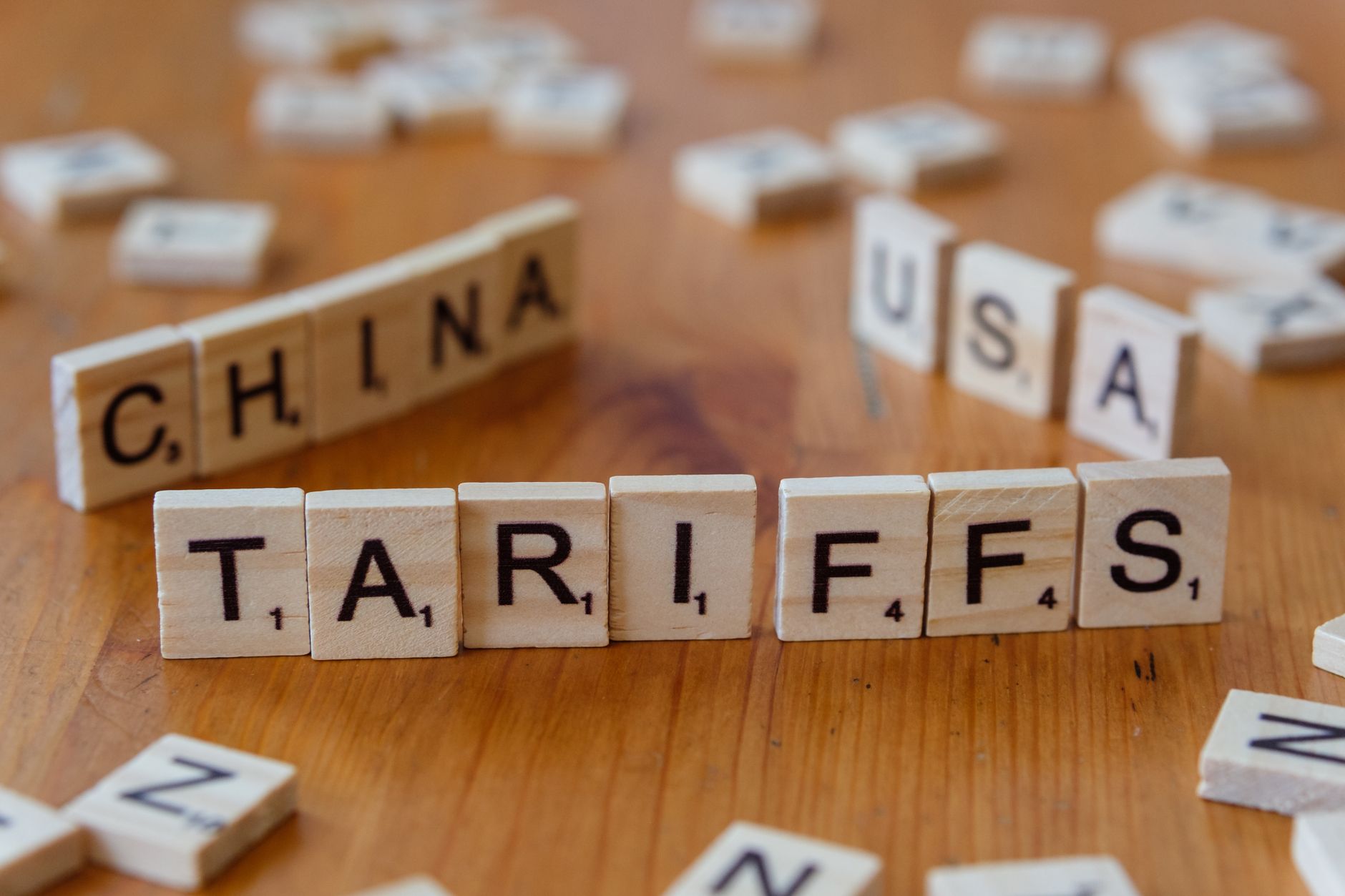
A Year After “Liberation Day”
Twelve months have elapsed since sweeping tariffs were unveiled with emphatic rhetoric and sweeping ambition. The aftershocks, however, continue to reverberate through boardrooms, supply chains, and consumer wallets alike. The phrase “Trump tariff fallout: Some industries grapple with lingering effects one year later” encapsulates a reality that is far more intricate than initial projections suggested.
Short sentence. The dust has not settled.
Longer reflection. What began as a bold recalibration of global trade has evolved into a complex, often unpredictable economic landscape where adaptability is no longer optional—it is existential.
The Supply Chain Awakening
Perhaps the most enduring consequence of the tariff regime is a cultural transformation within corporate America. Supply chains, once relegated to operational backrooms, have ascended to strategic prominence.
Executives have been compelled to scrutinize sourcing decisions with unprecedented granularity. Where once cost efficiency dictated procurement, now geopolitical risk, tariff exposure, and logistical resilience share equal billing.
Yet change has proven arduous.
Relocating supplier bases is not an overnight endeavor. It requires capital investment, regulatory navigation, and time—commodities that are often scarce in volatile environments. As a result, many firms have adopted a measured approach, diversifying incrementally while investing heavily in scenario modeling.
Short sentence. Flexibility became doctrine.
Retail: Agility Under Pressure
Few sectors have felt the tariff tremors as acutely as retail. From global giants to boutique operators, the industry has been forced into a perpetual state of recalibration.
Large retailers, armed with scale and negotiating leverage, have managed to absorb or offset a portion of the increased costs. Smaller enterprises, however, have faced a harsher reality. Margins have compressed. Pricing strategies have shifted. Survival has required ingenuity.
The response has been multifaceted.
Retailers have diversified sourcing, reduced dependency on single ქვეყნ, and embraced supply chain agility as a core competency. This newfound nimbleness, initially forged during pandemic disruptions, has been further refined under tariff pressures.
Still, consumers have not been insulated.
Price increases, though often incremental, have permeated shelves. Everyday goods—from electronics to apparel—carry the subtle imprint of trade policy decisions made thousands of miles away.
Automotive: Billions at Stake
The automotive sector presents a case study in scale and complexity. Tariffs on steel, aluminum, and components have introduced billions of dollars in additional costs for manufacturers.
Domestic and foreign automakers alike have been affected.
Some relief has emerged through policy adjustments, such as the “de-stacking” of overlapping tariffs. Yet the financial burden remains substantial. Companies have responded by reengineering supply chains, increasing domestic production, and renegotiating supplier contracts.
Short sentence. Adaptation is expensive.
Longer implication. The industry’s intricate global ქსელი makes rapid परिवर्तन particularly challenging, ensuring that tariff impacts will persist well beyond initial implementation.
Consumer Packaged Goods: Quiet Strain
Unlike retail or automotive sectors, consumer packaged goods operate within tighter margins and less visible supply chain flexibility. Many products are manufactured domestically but rely on imported raw materials—pulp, aluminum, agricultural commodities.
These inputs are not easily substituted.
The result has been a quieter, yet significant, strain. Companies have deployed a combination of cost-cutting measures, selective price increases, and sourcing adjustments to mitigate the impact. Some have absorbed losses to maintain конкурентоспособность, prioritizing brand loyalty over short-term profitability.
Short sentence. Margins took the hit.
Pharmaceuticals: A Strategic Exemption
In contrast, the pharmaceutical industry has navigated the tariff landscape with نسبatively less turbulence. Strategic agreements with policymakers have provided temporary exemptions in exchange for commitments to lower drug prices and invest in domestic manufacturing.
This quid pro quo arrangement has reshaped the sector’s trajectory.
Major drugmakers have announced substantial investments in U.S.-based facilities, signaling a দীর্ঘ-term shift toward localization. At the same time, tariff threats have served as a catalyst for broader industry realignment.
Yet uncertainty remains.
Future policy adjustments could alter the equilibrium, particularly for companies that have not secured favorable agreements.
Policy Volatility and Corporate Caution
One of the defining characteristics of the past year has been policy volatility. Tariff rates have fluctuated. Legal challenges have emerged. New measures have been introduced, sometimes within hours of judicial rulings.
For corporations, this unpredictability has been as consequential as the tariffs themselves.
Decision-making has slowed. Investments have been scrutinized more rigorously. Risk management has evolved from a peripheral concern into a central pillar of corporate strategy.
Short sentence. স্থিতি remains elusive.
A New Economic Reality
Despite the challenges, not all outcomes have been adverse. Imports, paradoxically, increased during portions of the year as companies accelerated shipments ahead of anticipated tariff hikes. This front-loading strategy underscores the پیچیدگی of modern trade dynamics.
More importantly, businesses have become more resilient.
They are less reactive. More deliberate. Better equipped to navigate uncertainty. The lessons learned over the past year have instilled a مستوى of strategic discipline that is likely to endure.
Conclusion: Enduring Ripples
The narrative captured by “Trump tariff fallout: Some industries grapple with lingering effects one year later” is not one of ավարտ or resolution. It is a story of շարունակություն—of ongoing adaptation in the face of structural परिवर्तन.
Short sentence. The effects linger.
Longer closing thought. Tariffs, once perceived as aداة of immediate اقتصادی leverage, have revealed themselves to be catalysts for deeper transformation. Industries have been reshaped. Strategies redefined. And the global التجارة landscape irrevocably altered.
The fallout, it seems, is not merely a consequence. It is a new foundation.