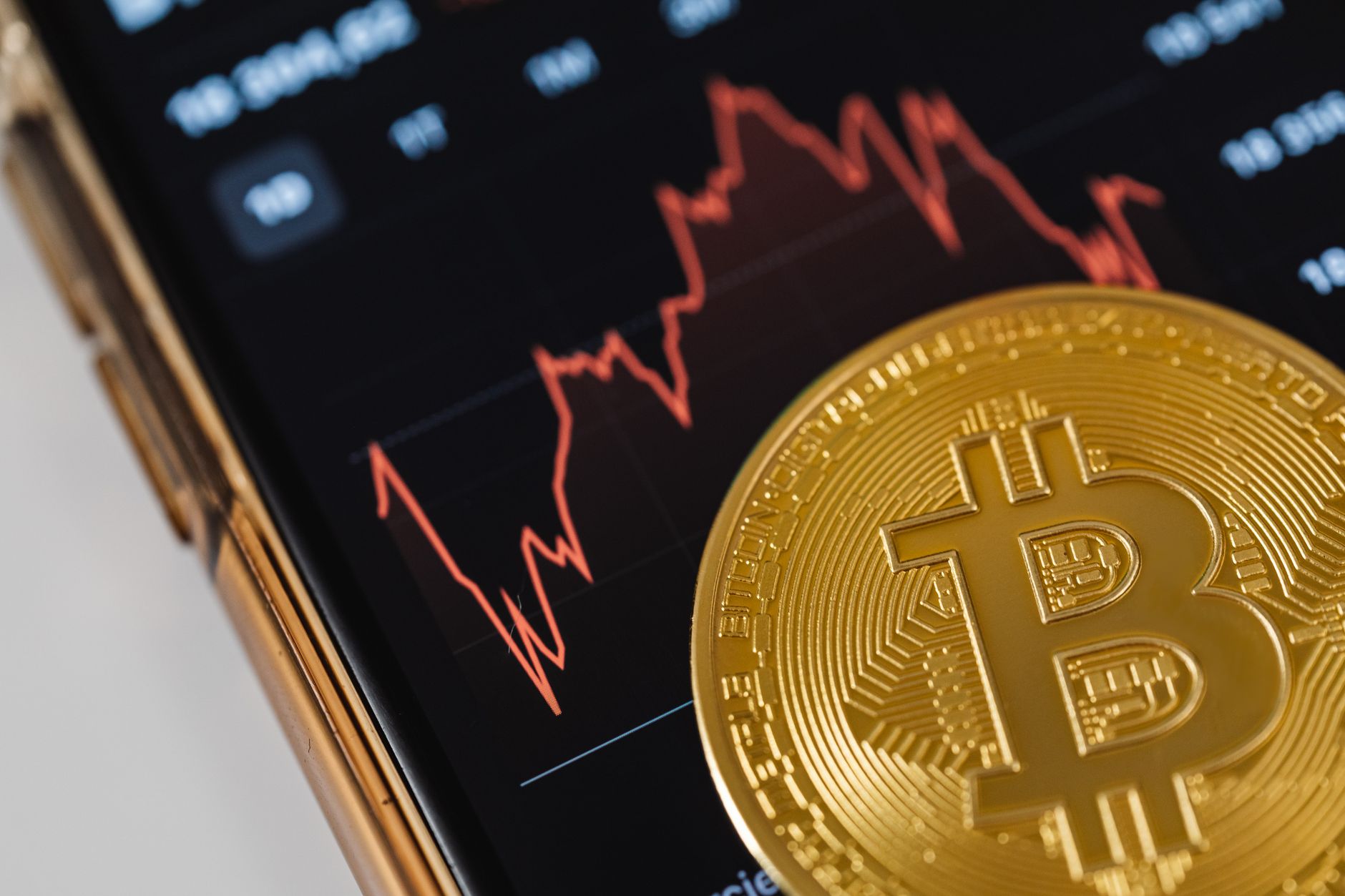
New York — Global financial markets are experiencing an unusual and unsettling phenomenon: simultaneous declines across traditionally diversified asset classes. The phrase “Stocks, bonds and gold all fall in market slide” is no longer مجرد headline rhetoric—it reflects a tangible erosion of conventional hedging strategies that investors have long relied upon.
Typically, when equities falter, capital migrates toward perceived safe havens such as government bonds or precious metals. Yet this time, that defensive rotation appears conspicuously absent. Instead, markets are moving in uneasy unison, amplifying investor anxiety and constricting avenues for risk mitigation.
A Market Under Pressure
Recent trading sessions have underscored the severity of the downturn. Major US indices—the Dow Jones Industrial Average, S&P 500, and Nasdaq Composite—are all tracking toward their worst monthly performances in over a year. On Thursday alone, the Dow dropped 469 points (1.01%), while the S&P 500 declined 1.74%, marking its sharpest single-day loss in two months. The Nasdaq, heavily weighted toward growth stocks, plunged 2.38%, officially entering correction territory after falling more than 10% from its late-October peak.
This synchronized decline exemplifies the core concern behind “Stocks, bonds and gold all fall in market slide”—a breakdown in diversification benefits during periods of systemic stress.
The Geopolitical Catalyst
At the heart of the turmoil lies escalating geopolitical tension, particularly the ongoing conflict involving Iran. The situation has disrupted energy markets, pushing oil prices sharply higher and injecting a renewed dose of inflationary fear into the global economy.
Brent crude surged 5.7% to settle above $108 per barrel, while US crude rose 4.6% to $94.48. These increases are not مجردرقام—they reverberate through supply chains, elevate production costs, and ultimately squeeze consumers. More critically, they complicate the policy outlook for central banks already grappling with inflation persistence.
Uncertainty surrounding the duration of the conflict, especially with key transit routes like the Strait of Hormuz effectively constrained, has intensified volatility. Markets are not merely reacting to current conditions but attempting to price in an unpredictable future.
Gold Loses Its Luster
Gold, often heralded as the ultimate safe haven, has defied expectations. Instead of rallying amid chaos, it has suffered a dramatic sell-off, dropping nearly 17% this month—its worst performance since the financial crisis era of 2008.
This counterintuitive movement is largely attributable to rising interest rates. Unlike income-generating assets, gold yields nothing. As central banks signal a “higher-for-longer” rate environment, the opportunity cost of holding gold increases. Investors, therefore, are reallocating capital toward instruments that offer tangible returns.
The result reinforces the troubling narrative: “Stocks, bonds and gold all fall in market slide” is not an anomaly but a reflection of shifting macroeconomic dynamics.
Bonds Fail to Provide Shelter
Government bonds, another cornerstone of defensive investing, have also faltered. Prices have declined, pushing yields higher as investors reassess inflation risks and adjust expectations for monetary policy.
The bond market’s ضعف stems from a dual الضغط: rising oil prices fueling inflation concerns, and increased government borrowing needs—particularly in light of potential war-related expenditures. Long-term yields have climbed just as fiscal pressures mount, eroding the traditional inverse relationship between stocks and bonds.
This breakdown is particularly disconcerting for portfolio managers who depend on bonds to stabilize returns during equity downturns. Instead, both asset classes are moving downward, compounding losses.
Volatility Without Refuge
Market volatility has surged across asset classes. Indicators that track fluctuations in equities and Treasuries alike are elevated, signaling pervasive uncertainty. As one advisor succinctly noted, volatility is no longer confined—it is ubiquitous.
Currency markets offer only limited relief. The US dollar has appreciated modestly, benefiting from its status as a global reserve currency. Meanwhile, short-term instruments such as money market funds and cash equivalents are emerging as temporary sanctuaries, offering stability in an otherwise turbulent landscape.
However, these options are not without limitations. They preserve capital but do little to generate meaningful growth, especially in real terms once inflation is considered.
The Inflation Conundrum
At its core, the current market dislocation is an inflation story. Rising energy costs threaten to prolong inflationary pressures, forcing central banks to maintain restrictive policies. Traders are increasingly pricing in a scenario with no interest rate cuts in the near term.
This environment creates a paradox. Higher rates are intended to tame inflation, yet they simultaneously ضغط financial markets by increasing borrowing costs and reducing liquidity. The feedback loop exacerbates declines across multiple asset classes, reinforcing the reality of “Stocks, bonds and gold all fall in market slide.”
Strategic Implications for Investors
In times like these, reactive decision-making can be perilous. The instinct to flee markets or drastically reallocate portfolios often leads to suboptimal outcomes. Instead, a measured approach is essential.
Diversification, while temporarily compromised, remains a foundational principle. The current environment underscores the importance of broad asset exposure, including alternatives that may not be as tightly correlated with traditional markets.
Maintaining liquidity is also crucial. Cash positions provide optionality—the ability to deploy capital when valuations become more attractive. Equally important is staying informed without succumbing to headline-driven panic.
A Market in Transition
The present পরিস্থিতি is not merely a cyclical downturn but a transitional phase shaped by geopolitical तनाव, inflation dynamics, and evolving monetary policy. Traditional relationships between asset classes are being recalibrated, challenging long-held assumptions.
While the phrase “Stocks, bonds and gold all fall in market slide” captures the वर्तमान स्थिति, it also serves as a reminder: markets are inherently adaptive. Periods of ডিসরাপশন often precede the emergence of new equilibria.
For now, caution prevails. Opportunities may arise, but they will require discernment, patience, and a willingness to navigate uncertainty without the comfort of conventional safe havens.