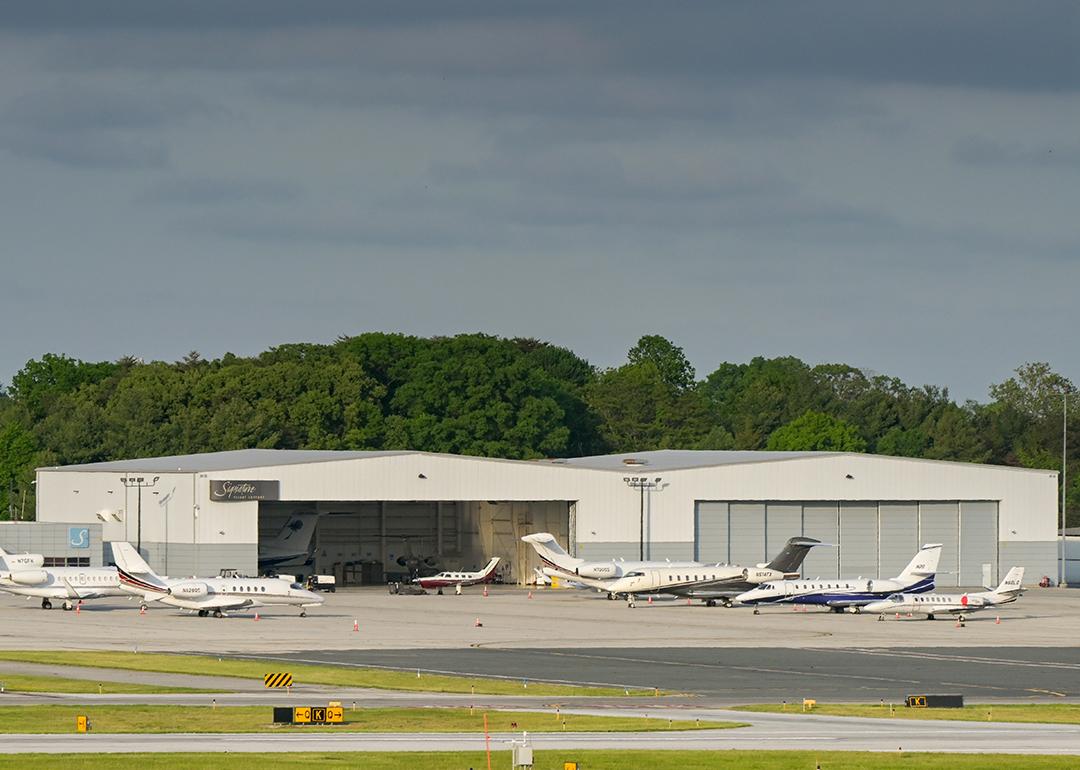
In the rarefied world of private aviation, where convenience eclipses cost and exclusivity defines experience, a subtle yet significant shift is underway. The cost to fly private is up as much as 20% with fuel prices soaring, and even the most affluent travelers are beginning to notice the ripple effects. What was once a predictable luxury has become a dynamic equation influenced by geopolitics, energy markets, and shifting operational strategies.
A Market Under Pressure
Jet fuel, the lifeblood of private aviation, has experienced a dramatic surge in price. Global averages hovering around $4.65 per gallon have redefined the economics of flight. This escalation is not merely incremental—it is transformative. A journey that once cost $400,000 now commands upwards of $520,000, a stark illustration of how volatile fuel markets can recalibrate even the highest tiers of travel.
Short sentences capture the reality. Prices are rising. Quickly.
Longer reflections reveal the complexity. Behind every chartered flight lies a labyrinth of logistical decisions, contractual nuances, and financial hedging strategies. Operators must decide whether to absorb rising costs or pass them on to clients, a decision that balances profitability with customer loyalty.
The Anatomy of a Surcharge
Fuel surcharges are not new, but their magnitude and unpredictability have intensified. Charter contracts often include variable fuel clauses, allowing operators to adjust pricing even after bookings are confirmed. This has led to a curious paradox: flights reserved months in advance are now subject to last-minute cost increases.
For some यात्रियों, the إضافات are marginal—perhaps $1,500 on a domestic route. For others, particularly those embarking on intercontinental journeys, the إضافات can escalate into tens of thousands of dollars. A single dollar increase in fuel price per gallon can translate into $20,000 in additional costs for long-haul flights.
It is a game of margins. And those margins are tightening.
Operators Walk a Tightrope
Private jet operators find themselves navigating a precarious balance. Larger कंपनियाँ, with bulk fuel purchasing agreements, can temporarily cushion the impact. Smaller operators, however, face immediate exposure to market fluctuations.
Some choose to absorb the costs, prioritizing client relationships over short-term profitability. Others implement surcharges, risking dissatisfaction but preserving financial stability. Neither approach is without consequence.
Losses today must be recouped tomorrow.
Demand Remains Resilient
Despite escalating costs, demand for private aviation remains remarkably robust. The clientele—high-net-worth individuals and corporate elites—are less sensitive to price fluctuations. For them, the value proposition extends beyond mere transportation. It is about समय, privacy, and control.
A $25,000 flight becoming a $30,000 expense does not deter the majority. Instead, it prompts recalibration. Travelers may opt for smaller aircraft or adjust itineraries, but the fundamental appeal of private aviation endures.
Convenience, after all, is a powerful motivator.
Strategic Adaptations
In response to rising costs, industry players are employing a range of रणनीतियाँ. Refueling in ქვეყნებში where fuel is cheaper has become increasingly common, even if it adds marginal flight time. This practice, once considered inefficient, is now a pragmatic response to volatile pricing.
Fractional ownership models are also evolving. Clients who share aircraft access are experiencing fluctuating hourly fuel rates, adjusted monthly or even weekly. Transparency has become essential, as clients demand clarity on how costs are calculated and applied.
Meanwhile, brokers are advising early booking. Not because prices will drop—but because they are unlikely to.
External عوامل at Play
The বর্তমান পরিস্থিতি is not occurring in isolation. Geopolitical tensions, particularly conflicts that disrupt النفط supply chains, have amplified price volatility. Additionally, broader disruptions in commercial aviation—such as staffing shortages and operational delays—have driven more travelers toward private विकल्प.
Interestingly, even government shutdowns and airport inefficiencies have contributed to increased private jet usage. When commercial السفر becomes unpredictable, private aviation offers certainty.
And certainty, in uncertain times, commands a premium.
A Shift in Perception
Perhaps the most profound impact is psychological. Private aviation, once perceived as immune to اقتصادی pressures, is now subject to the same macroeconomic forces that affect other industries. This does not diminish its allure—but it does redefine expectations.
Clients are asking more questions. Operators are providing more التفاصيل. The العلاقة between provider and passenger is becoming more nuanced, more transactional, yet still anchored in exclusivity.
Looking Ahead
Will prices stabilize? ইতিহাস suggests they will. Fuel markets are cyclical, prone to dramatic ওঠানামা. কিন্তু the timeline remains uncertain.
What is clear, however, is that the cost to fly private is up as much as 20% with fuel prices soaring, and this reality is reshaping the industry in real time. कंपनियाँ are becoming more agile. Clients are becoming more informed. And the خطوط between luxury and practicality are becoming increasingly blurred.
Conclusion
Private aviation has always been a reflection of broader economic currents, albeit at an elevated مستوى. Today, those currents are ശക്തമായ, driven by fuel الأسعار and geopolitical dynamics. The result is a صناعة in transition—resilient, adaptive, and undeniably transformed.
Luxury persists. Բայց it now comes with a surcharge.