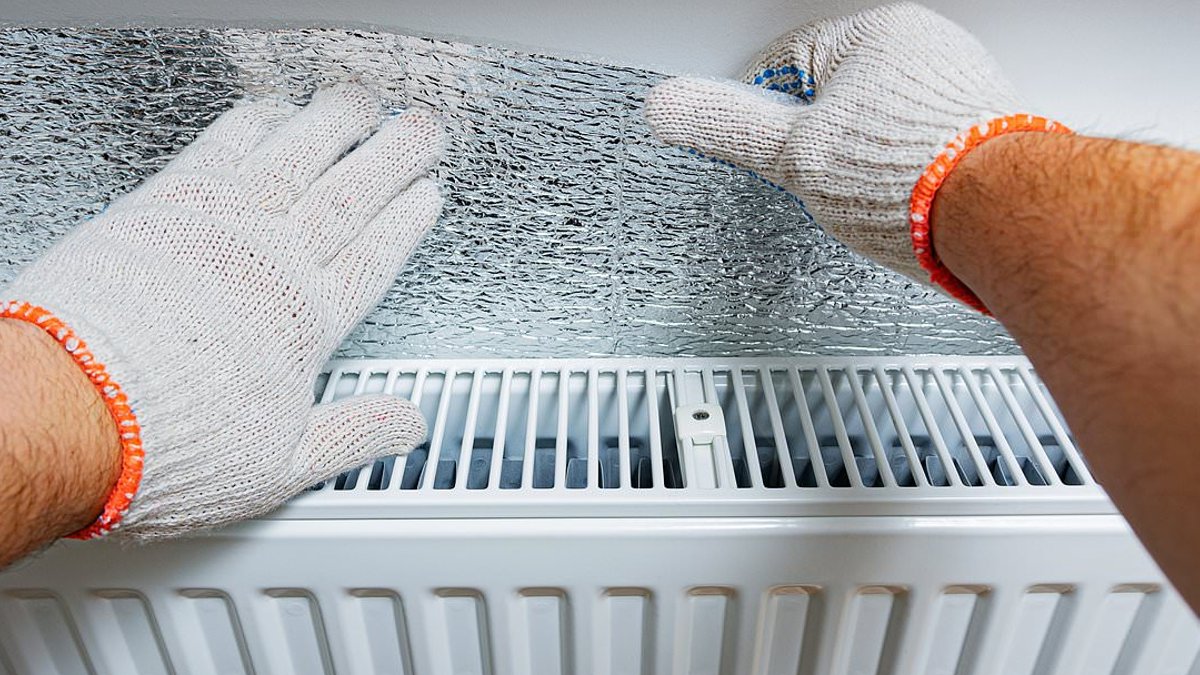
With winter temperatures falling, many households are hunting for inexpensive ways to keep rooms warm while curbing soaring energy bills. One tip that resurfaces each season is to place tin foil behind heating units that sit on exterior walls.
How foil works
The principle is simple: a reflective surface directs radiant heat back into the living space instead of allowing it to be absorbed by the wall and escape outside. By reducing that loss, the room stays warmer with the same amount of fuel.
Stuart Middleton, a consumer energy expert at So Energy, says installing foil behind a heating unit can improve efficiency, especially when the fixture is mounted on an outer wall. He notes the shiny side reflects heat that would otherwise be lost through the masonry.
Middleton adds that he uses purpose-made reflector panels rather than ordinary kitchen foil. The panels are sold on major retail sites and are designed for easy attachment without removing the unit from the wall.
Read Also: Rent cheaper than mortgages in five UK cities
He cautions that expectations should stay modest. The addition is unlikely to slash bills dramatically, but it can make rooms feel warmer sooner and may save roughly £10-£20 a year, depending on property age and insulation.
For installation, he recommends positioning the reflective side toward the heating unit and securing the panel to the wall with adhesive pads or mounting clips. Focus on radiators fixed to external walls, as that’s where you’ll see the greatest benefit.
What experts say about savings
Andrew Northcott, knowledge manager at the Energy Saving Trust, echoes the advice to use dedicated reflector panels. He estimates an average annual saving of about £18, though actual figures vary with the number of units treated.
Northcott notes that a roll of panels typically costs around £25 from DIY retailers.
Read Also: Tech stocks tumble after Anthropic IPO fizzles
Both experts agree that foil is a low-cost measure, but it should sit alongside broader actions. Simple steps such as lowering thermostat settings by one degree, sealing drafts around doors and windows, bleeding trapped air from the units, and ensuring the boiler is serviced can deliver larger reductions in energy consumption.
Choosing the right product
Specialised radiator reflector panels differ from ordinary kitchen foil in several ways. They are manufactured with a durable backing that resists tearing and can endure the heat emitted by a radiator for long periods.
Most products arrive with an adhesive layer or include clips that let users attach the sheet directly to the wall without dismantling the heating unit. The reflective side should face the radiator, while the smooth side rests against the masonry.
Integrating foil with broader energy measures
While reflector panels can marginally improve heat return, experts stress that they work best when paired with other low-cost actions. Sealing gaps around doors and windows stops warm air from escaping and cold drafts from entering.


