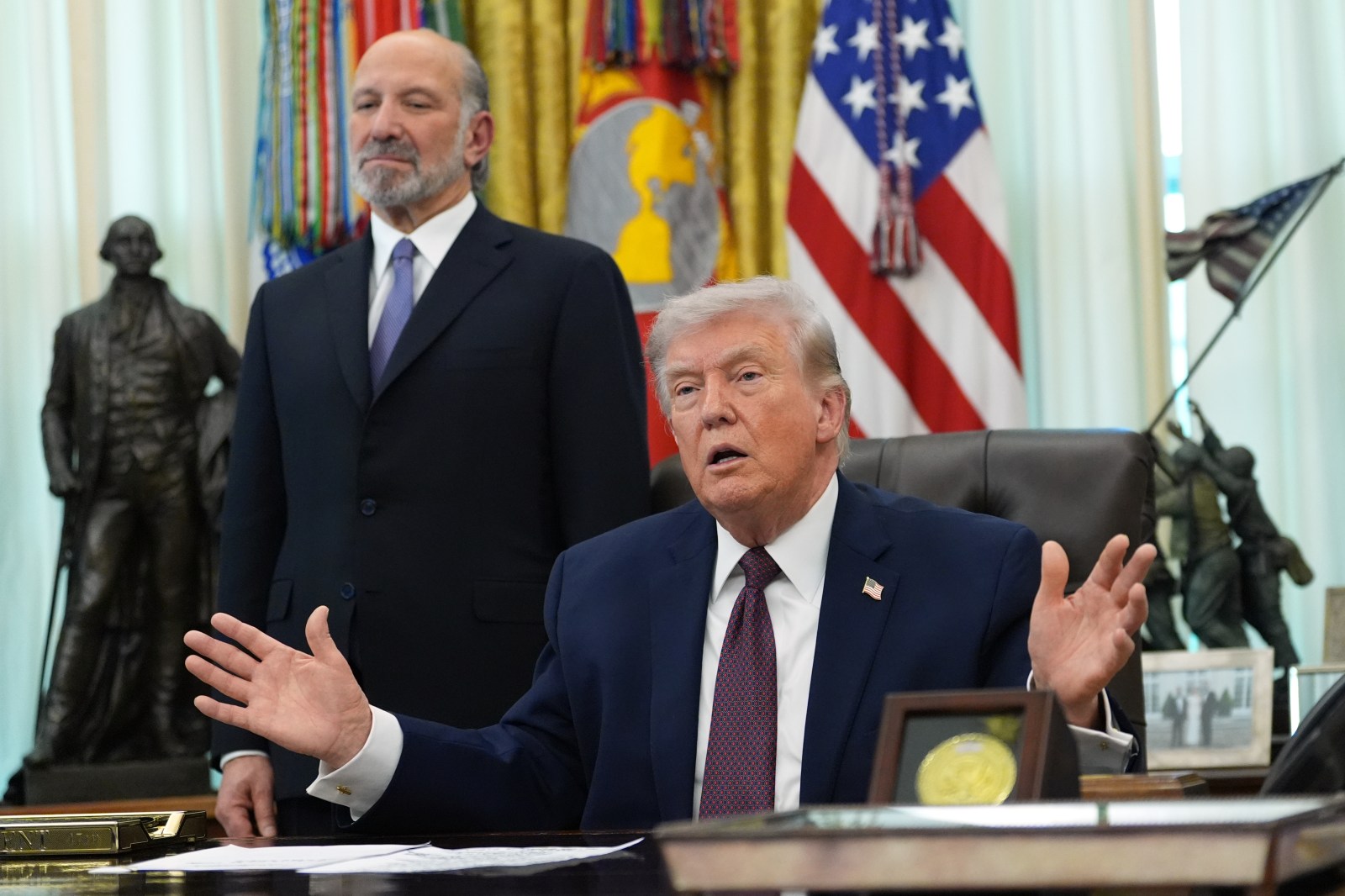
The global pharmaceutical landscape is entering a consequential phase of recalibration. Trump administration sets up to 100% tariffs on some imported drugs, with many companies exempt, marking a decisive escalation in trade policy that intertwines national security, economic strategy, and public health priorities.
This policy is not merely a financial instrument. It is a lever of influence. A signal. And, perhaps most importantly, a catalyst for structural change within one of the world’s most critical industries.
The Core of the Policy
At its foundation, the new tariff framework targets branded pharmaceutical products and their active ingredients. Companies that fail to comply with government expectations—particularly around domestic manufacturing and drug pricing—face tariffs as high as 100%.
That figure is striking. Deliberate. Designed to compel action.
Yet, the policy is not universally punitive. It incorporates a layered system of exemptions and reduced rates, effectively creating a spectrum of compliance. Companies that commit to relocating production to the United States or that engage in pricing agreements with federal agencies can significantly reduce—or entirely avoid—these tariffs.
This dual approach blends coercion with incentive.
Encouraging Domestic Manufacturing
The strategic objective is clear: reshoring pharmaceutical production.
For decades, drug manufacturing has increasingly shifted overseas, driven by cost efficiencies and global supply chains. This has created vulnerabilities. Supply disruptions, geopolitical tensions, and dependency on foreign production have all raised concerns about national resilience.
By imposing steep tariffs on imports while offering relief to companies investing domestically, the policy seeks to reverse that trend.
Short sentence. Build at home.
Longer perspective. The administration is effectively redefining the cost-benefit equation for pharmaceutical companies, making domestic production not just desirable, but economically necessary for long-term competitiveness.
A System of Exemptions
Not all companies will feel the full force of these tariffs. In fact, many may avoid them entirely.
Drugmakers that have entered into pricing agreements with the government—often tied to the “most favored nation” policy—are granted temporary exemptions. These agreements align U.S. drug prices with lower international benchmarks, addressing long-standing concerns about affordability.
Major pharmaceutical firms, including Pfizer, Eli Lilly, and Novo Nordisk, have already taken this route. Their participation not only shields them from tariffs but also positions them favorably within a rapidly evolving regulatory environment.
Additionally, companies that are in active negotiations or have committed to building domestic facilities by 2029 can qualify for reduced tariffs—starting at 20% and gradually increasing if commitments are not fulfilled.
Global Implications
The policy does not exist in isolation. It reverberates across international trade relationships.
Certain allied regions, including the European Union, Japan, South Korea, and Switzerland, face a comparatively modest 15% tariff. The United Kingdom benefits from an even lower 10% rate. These differentiated levels reflect broader trade agreements and diplomatic considerations.
In effect, the policy introduces a tiered global framework—rewarding strategic partners while exerting pressure on others.
This selective approach underscores a broader reality: trade policy is as much about geopolitics as it is about economics.
Industry Response and Adaptation
Pharmaceutical companies are not passive actors in this equation. They are adapting—quickly and strategically.
Some are accelerating plans to build manufacturing plants in the United States. Others are restructuring supply chains to minimize exposure to high-tariff regions. Still others are entering pricing negotiations to secure exemptions.
The scale of investment is significant. Billions of dollars are being allocated toward domestic infrastructure, signaling a long-term shift in how and where medicines are produced.
However, these changes are not instantaneous. Building new facilities takes years. Regulatory approvals, workforce development, and logistical coordination add layers of complexity.
Transformation, while inevitable, will be gradual.
Impact on Drug Prices
A central question remains: what does this mean for consumers?
In theory, increased domestic production could stabilize supply chains and reduce long-term risks. In practice, the immediate effect may be more nuanced.
Tariffs can increase costs for companies. Those costs may be absorbed, offset through efficiency measures, or passed on to consumers. The outcome will vary depending on market dynamics, competitive pressures, and regulatory oversight.
The pricing agreements tied to tariff exemptions are intended to counterbalance this effect. By linking U.S. prices to lower international benchmarks, the policy aims to prevent excessive लागत increases.
Whether this balance can be maintained remains to be seen.
Beyond Pharmaceuticals: A Broader Trade Shift
The administration’s اقدامات extend beyond pharmaceuticals. Changes to tariffs on imported metals—such as steel, aluminum, and copper—indicate a broader effort to tighten trade enforcement and prevent undervaluation practices.
These adjustments may indirectly affect the pharmaceutical sector as well, given the role of metals in manufacturing equipment and infrastructure.
The cumulative effect is a more protectionist trade environment, characterized by targeted interventions and strategic incentives.
Risks and Uncertainties
No policy of this magnitude is without risk.
There is the potential for retaliatory measures from trading partners. Supply chain disruptions could occur during the transition period. Smaller drugmakers, particularly those reliant on contract manufacturing, may face disproportionate challenges.
There is also the question of sustainability. Will companies maintain domestic production once incentives expire? Will global trade dynamics shift in response?
These uncertainties underscore the complexity of reshaping an industry as intricate and interconnected as pharmaceuticals.
Conclusion
The announcement that Trump administration sets up to 100% tariffs on some imported drugs, with many companies exempt represents a pivotal moment in the intersection of trade policy and healthcare.
It is a bold strategy. One that seeks to realign incentives, strengthen domestic capabilities, and address longstanding concerns about drug pricing and supply security.
For pharmaceutical companies, it demands adaptation. For global markets, it introduces new variables. And for consumers, it holds both promise and uncertainty.
The prescription has been written. The long-term effects are still unfolding.